Who Are the Irulars? Where Did the Pandyas Go After Losing Madurai? | The Hidden History of the Tamils | இருளர்கள் யார்? மதுரையை இழந்த பாண்டியர்கள் எங்கே சென்றார்கள்? | மறைக்கப்பட்ட தமிழர் வரலாறு
By Ranadhira Pandyan
#Irula_Pallars
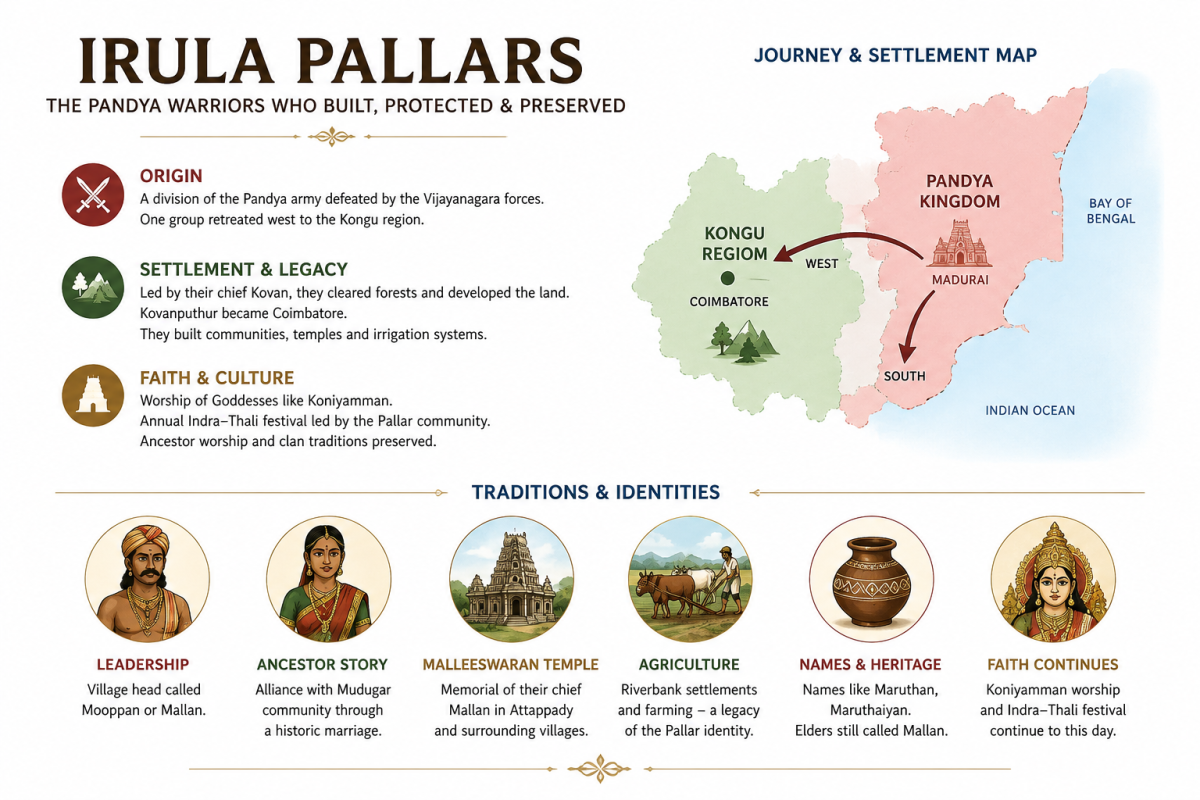
A few years ago, when I was working on the production of “The Resurgence of Tamil History – Part 2,” I was researching the Pandya dynasty—particularly where the different divisions of the Pandya army that were defeated by the Vijayanagara forces had gone and where they had settled in Tamil Nadu.
I came across information that, after losing Madurai, one section of the Pandya army retreated toward the south, while another section moved westward toward the Kongu region.
I then discovered that the groups who had moved into the Kongu region were living under various names, including #Pandya_Pannadi, #Mannadi, and #Irular. Once I discovered this, I began researching them more intensively.
When I focused particularly on the #Irular, who are said to have played a role in the origins of the city of Coimbatore, I came across information claiming that they belonged to a group known as the #Irula_Pallars.
I immediately travelled to the hill villages of present-day Palakkad district in Kerala, where many of them live. The information they shared with me not only surprised me, but also made me think about what caste means and, according to their accounts, how Tamil communities had been divided over time.
The Irula Pallars told me that, after being defeated in battle, they had come from the eastern coastal region toward Kongu.
At that time, they said, the area was largely forested. According to their tradition, their leader #Kovan cleared the forests and transformed the area into a settled land. Because of this, it came to be known as “Kovanputhur,” which they say eventually evolved into Coimbatore.
They also say that #Koniyamman, who is worshipped today as one of the ancient deities of Coimbatore, was their queen.
They further claim that, every year during the Amman wedding festival at the temple, a ritual is performed in which a person representing #Indra (the king) ties the thali to the goddess, and that this ceremony is traditionally conducted under the leadership of the local Pallar community.
Later, because of continued warfare in the Kongu region, one section of their army is said to have taken refuge in the mountains and eventually settled there permanently. These people are identified in their tradition as the Irula Pallars living in that region.
The reason they gave for remaining in the mountains was not only interesting, but also made me think about several aspects of their social and community traditions.
These Irulars call the leader of their village #Mooppan.
They also refer to their village chief as “#Mallar.”
According to the story, one of their Mooppans (king/chief) at that time fell in love with a woman belonging to the Mudugar community, who lived in the mountainous region where they had taken refuge.
However, the Mudugars refused to give their daughter in marriage.
They reportedly told him:
“No matter how great a king you are, we will not give a woman from our clan to someone belonging to another clan.”
They also questioned what guarantee there would be that, even if the marriage took place, he would not eventually leave their daughter and return to his own kingdom.
Because of his strong affection for the woman, their Mooppan Mallan reportedly promised that he would remain there permanently if they gave him their daughter.
When the Mudugars still refused, he is said to have married the woman through what is described in the story as a Gandharva-style marriage.
Following their Mooppan's decision, his soldiers also remained there. According to this tradition, the settlements that developed from this community eventually became Attappady and the surrounding villages.
Even today, the famous #Malleeswaran Temple in Attappady is described in this tradition as a memorial associated with the Mooppan (king) mentioned above.
Following their clan traditions, the Irula Pallars are said to continue practising ancestor worship and the worship of their former rulers.
They also point to their agricultural practices as evidence of their connection with the Pallar community. Even in the mountains, they live along riverbanks and engage in #agriculture.
Many among them are given names such as #Maruthan and #Maruthaiyan, and they continue to refer to their ancestors or chiefs as “#Mallan.”
When I went to meet them, I also spoke with an elderly woman from the Mudugar community whom they worship as Malleeswari (the queen).
She strongly objected—not only to what I was saying about them, but also to me personally discussing their history.
According to her accusation, these people had come from somewhere else and had deceived and taken away a woman belonging to their community.
Although that incident is said to have taken place many centuries ago, the story claims that the Irulars became more prosperous than the Mudugars, who, according to the writer, continued to maintain a traditional forest-dwelling lifestyle.
Furthermore, because the Mudugar woman married the Irula Mallan, the story says that she eventually became “Malleeswari,” a goddess worshipped by many people today.
Yet, according to this account, the Mudugar community still has difficulty accepting that marriage even after so many centuries.
This, the writer argues, demonstrates the traditional tribal practice of protecting one's own clan.
The article concludes by arguing that Tamil communities historically maintained their clan identities and often avoided giving women in marriage outside their own communities. According to the writer, these practices reflect the persistence of traditional tribal identities rather than necessarily being evidence of caste hatred.
The writer further argues that superficial approaches to caste abolition and calls for inter-community marriages, without understanding the historical and tribal nature of these communities, can create unnecessary confusion and social tension.
Finally, the writer claims that maintaining such social tensions among Tamils is supposedly in the interests of Vaduga groups
#இருள_பள்ளர்கள்
சில ஆண்டுகளுக்கு முன்பு அப்போது நான் "மீண்டெழும் தமிழர் வரலாறு " பாகம் -2, தயாரிப்பு வேலைகளில் இருந்த சமயம்!...
பாண்டியர்களை பற்றி, குறிப்பாக விஜய நகர படைகளிடம் தோற்ற பாண்டிய படை பிரிவுகள்,
தமிழ்நாட்டில் எங்கெங்கு உள்ளது என்று தேடிக் கொண்டிருந்த நேரம்!!!
மதுரையை இழந்த பாண்டிய படையின் ஒரு பகுதி தெற்கிலும்,
ஒரு பகுதி மேற்கே கொங்கு பகுதிக்கும் பின் வாங்கி விட்ட தகவல் கிடைக்க,
அப்படி கொங்கு பகுதியில் சென்ற படைகள் இன்று
#பாண்டிய_பண்ணாடி என்றும்,
#மண்ணாடி என்றும்,
#இருளர் என்றும்,
பல பெயரில் வாழ்ந்து வருவதை கண்டுபிடித்தவுடன்,
அவர்களை பற்றிய ஆய்வுகளையும் தீவிர படுத்தினேன்!!!
இவர்களில் கோவை மாநகரை உருவாக்கியதாக சொல்லப்படும் "#இருளர் " பற்றிய ஆய்வுகளை நான் தீவிரப்படுத்திய போது,
அவர்கள் #இருள_பள்ளர் என்ற பிரிவை சேர்ந்தவர்கள் என்பது தெரிய வந்தது!!!
உடனே நான் இவர்கள் அதிகமாக வாழும் இன்றைய கேரளாவின் பாலக்காடு மாவட்ட மலை கிராமங்களுக்கு சென்ற போது,
அவர்கள் சொன்ன பல தகவல்கள் என்னை ஆச்சர்யப்படுத்தியது மட்டுமல்ல,
சாதி என்றால் என்ன என்றும்?,
தமிழ்ச் சாதிகளை இந்த திருட்டு திராவிட கூட்டம் எப்படியெல்லாம் சிதறடித்துள்ளது என்பதையும்,
எனக்கு புரிய வைத்தது தோழர்களே!!!
இந்த இருள பள்ளர்கள் தாங்கள் போரில் தோற்றதால்,
கிழக்கே கடல் பகுதியில் இருந்து கொங்கு பகுதிக்கு வந்ததாகவும்,
அப்போது வெறும் காடுகளாய் இருந்த அப்பகுதியை
" #கோவன் " என்ற தங்கள் தலைவனே,
காடு திருத்தி நாடாக்கியதால், "கோவன்புத்தூர் " என்று அழைக்கப்பட்டு,
இன்று அது கோயம்புத்தூர் என்று மறுவி விட்டதாகவும் கூறுகின்றனர்!!!
இன்று கோவையின் ஆதி கடவுளாக வணங்கப்படும் ஆதி #கோனியம்மன்,
இவர்ளுக்கு அரசியாக இருந்தவளே என்பதுடன்,
அக் கோவிலில் வருடா வருடம் அம்மன் திருமன விழாவில்,
#இந்திரனாக (அரசனாக) பாவித்து அம்மனுக்கு தாலி கட்டும் சடங்கு,
அப்பகுதி பள்ளர்கள் தலைமையிலேயே நடக்கிறது!!!
பின்பு கொங்கு பகுதியிலும் தொடர்ந்த போரினால், தங்கள் படையின் ஒரு பிரிவு மலைகளில் தஞ்சம் புகுந்து பின்பு அங்கேயே தங்கி விட்டதாக சொல்கின்றனர்,
அப்பகுதீயில் வாழும் இருளப் #பள்ளர்கள்!!!
மலைகளிலேயே அவர்கள் தங்கியதற்கு அவர்கள் சொன்ன காரணம் சுவாரஸ்யமானது மட்டுமல்ல,
நான் மேலே சொன்ன சாதிகளை பற்றிய பல விசயங்களை எனக்கு புரிய வைத்தது தோழர்களே ???
இந்த இருளர்கள் தங்கள் ஊர் தலைவனை #மூப்பன் என்றே அழைக்கின்றனர்!!!
மேலும், அவர்களின் ஊர் மூப்பனை " #மல்லர் " என்றே அழைக்கின்றனர்!!!
அப்படி அந்த காலத்தில் இவர்களின் மூப்பன்(அரசன்) ஒருவன்,
இவர்கள் பதுங்கிய மலைப்பகுதியில் வாழ்ந்த மலைவாழ் முடுகர் இன பெண் ஒருத்தியை விரும்பியிருக்கிறான்!!!
ஆனால் இவனுக்கு பெண் கொடுக்க அம் மலைவாழ் முடுகர்கள் மறுத்திருக்கின்றனர்!!!
நீ எவ்வளவு பெரிய அரசனாய் இருந்தாலும்,
எங்கள் குலப் பெண்னை வேறு குலத்தை சேர்ந்த உனக்கு கொடுக்க மாட்டோம் என்று கூறியிருக்கின்றனர் அம் முடுகர்கள்,
அப்படியே திருமணம் நடந்தாலும், நீ எங்கள் பெண்னை விட்டுவிட்டு உன் நாட்டுக்கு செல்லமாட்டாய் என்பதற்கு என்ன உத்திரவாதம் என்று கேட்டுள்ளனர்???
அப் பெண் மேல் இருந்த மோகத்தில்,
நீங்கள் பெண் கொடுத்தால் தான் இங்கயே தங்கி விடுவதாக வாக்குறுதி கொடுத்தும் அம் முடுகர்கள் மசியாததால்,
அப் பெண்னை கந்தர்வ முறைப்படி திருமணம் செய்திருக்கிறான் நம்ம மூப்பன் மல்லன்!!!
தங்கள் மூப்பன் (அரசன்) முடிவுக்கு கட்டுப்பட்டு,
அவனது படைகளும் அங்கயே தங்கியதால் உருவான ஊர்களே இன்றைய அட்டப்பாடியும் அதனை சுற்றியுள்ள கிராமங்களும்!!!
இன்றும் அட்டப்பாடியில் உள்ள புகழ் பொற்ற "#மல்லீஸ்வரன் " கோவில்,
நான் சொன்ன அவர்களின் மூப்பன் (அரசன்) நினைவாக கட்டப்பட்ட நினைவிடமே!!!
தங்கள் குல வழக்கப்படி தங்கள் வேந்தர் வழிபாடான முன்னோர் வழிப்பாட்டை இன்று வரை கடைபிடித்து வருகின்றனர்,
பள்ளர்களின் ஒரு பிரிவான இருளப் பள்ளர்கள்!!!
இவர்கள் பள்ளர்கள் தான் என்பதை நிருபிக்கும் விதமாக,
மலைகளில் கூட ஆற்றங்கரைகளிலேயே வசிக்கும் இவர்கள்,
அங்கும் #வேளான்மையே செய்கின்றனர்!!!
தங்களில் பெரும்பாலோருக்கு #மருதன், #மருதையன் என்று பெயர்வைக்கும் இவர்கள்,
இன்றும் இவர்களின் மூப்பர்களை "#மல்லன் " என்றே அழைக்கின்றனர்!!!
இவர்களை சந்திக்க சென்ற போதே,
இவர்கள் மல்லீஸ்வரியாக (அரசி) வணங்கும் அம் முடுகர் இன கிழவி ஒருத்தியிடம் நான் பேசிய போது,
அவர்களை மட்டுமல்ல, அவர்களை பற்றி பேசிய
என்னையும் திட்டி தீர்த்து விட்டார் தோழர்களே!!!
எங்கிருந்தோ வந்த இவர்கள், எங்கள் பெண்ணை ஏமாற்றி அபகரித்துக் கொண்டனர் என்பதே அக் கிழவியின் குற்றச்சாட்டு தோழர்களே!!!
அந்த சம்பவம் நடந்து பல நூறு ஆண்டுகள் ஆகி விட்டன!,
காட்டுவாசி வாழ்நிலையை இன்றும் தாண்டாத அம் முடுகர்களை விட,
அவ் இருளர்கள் வளமையாகவே வாழ்கின்றனர்!,
அவ்வளவு ஏன்,
அவ் இருள மல்லனை திருமணம் செய்ததால்,
அவர்கள் பெண் இன்று எல்லோரும் வணங்கும் "மல்லீஸ்வரி " கடவுளாகவே மாறிவிட்டால்!,
இருந்தும் அம் முடுகர்களால் இத்துனை நூற்றாண்டுக்கு பிறகும் அத் திருமணத்தை ஏற்றுக் கொள்ள முடியவில்லை தோழர்களே!!!
இது, தங்களது குலத்தை காப்பாற்றும் அம் முடுகர்களின் பழங்குடி தன்மையையே காட்டுகிறது... தோழர்களே!,
இப்படி தான் தமிழ் இனக்குழக்கள் ஒவ்வொன்றும் தன் குலத்தை கட்டிக்காக்க,
தன் குலத்தை தவிர வேறு யாருக்கும் பெண் கொடுப்பதில்லை!!!
இன்னும் தன் பழங்குடி தன்மையில் இருந்து அவை மாறாததையே காட்டுகிறதேயன்றி,
இந்த திராவிட திருடர்கள் சொல்வது போல்,
சாதி வெறியும் இல்லை ஒரு மண்ணும் இல்லை தோழர்களே!!!
பழங்குடி தன்மைகளை புரிந்து கொள்ளாமல்,
மேலோட்டமான சாதி ஒழிப்பு அரசியலும் கலப்பு திருமண கோஷங்களும்,
தேவையற்ற குழப்பங்களையும், பதட்டங்களையுமே சமுகத்தில் உருவாக்கும் தோழர்கள்!!!
அப்படியான சமுக பதட்டம் எப்போதும் தமிழர்களிடையே இருக்க வேண்டும் என்பதே,
வடுகர்களின் விருப்பம் தோழர்களே!..